Yes
Is the Law Different For Off-Road Vehicles and Automobiles?
The Law Applicable to Off-Road Vehicles Is Somewhat Different Than the Law Applicable to Automobiles. Accordingly, Defending Against Off-Road Vehicle Charges Requires a Strong Understanding of the Nuanced Differences Between the Two Sets of Laws.
DefendCharges.ca™ says
please ride
Note: Please contact DefendCharges.ca™ by phone at: (647) 559-3377 to discuss any specific questions that you may have.
carefully. responsibly. prudently. safely. cautiously.
A Helpful Guide on How to Understand and Defend Against Various Charges Involving the Off-Road Vehicles Act
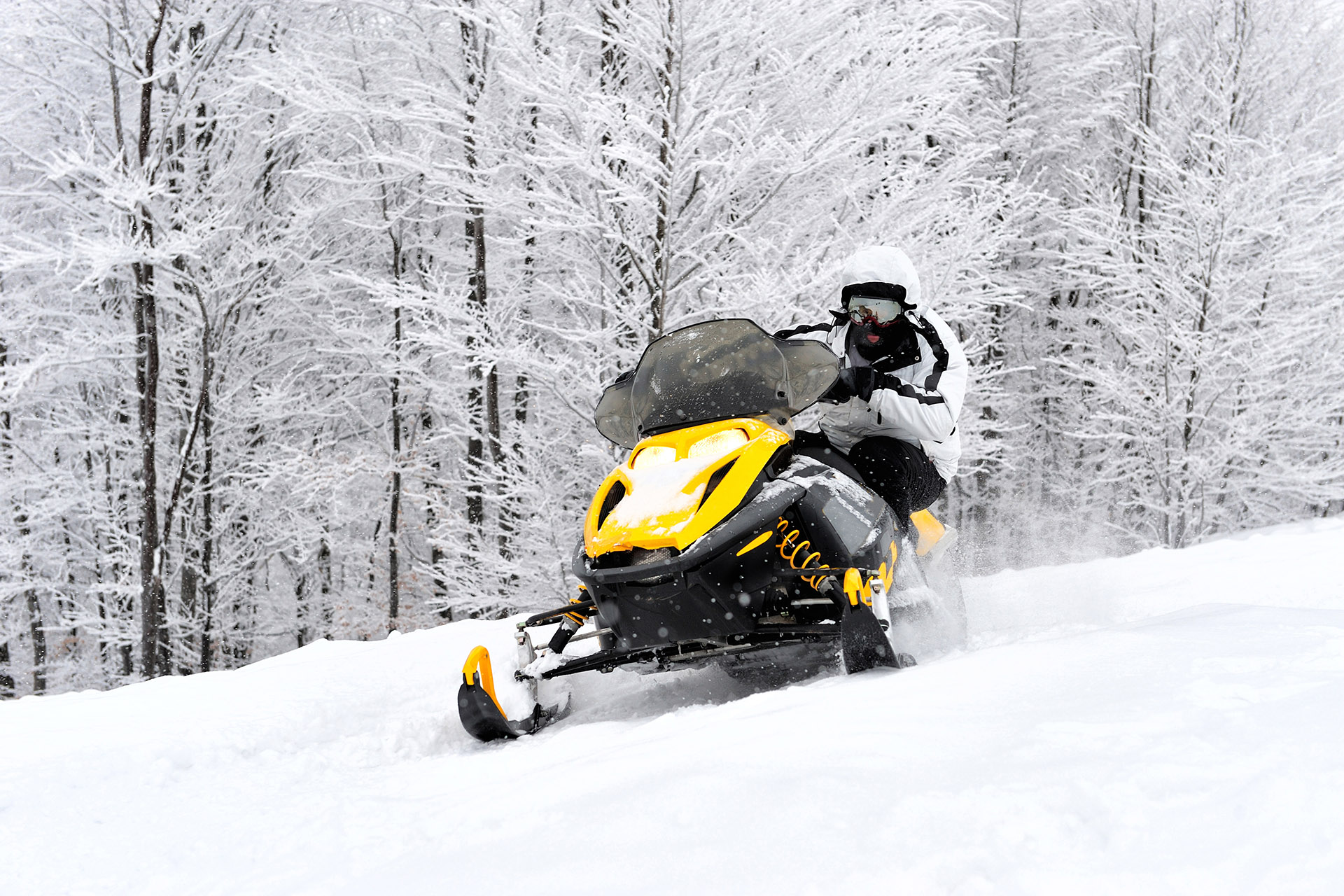 Many of the laws that apply to driving an automobile also apply to the ownership, use, and operation, of a snowmobile; however, there are often nuances within the applicable laws that make the approach to fighting off-road vehicles charges different than fighting common automobile charges as traffic tickets.
The Law
Is Snowmobile Law and Automobile Law the Same?
Although many aspects are identical, there are also many aspects that differ within the law applicable to off-road vehicles and automobiles whereas the Off-Road Vehicles Act, R.S.O. 1990, c. O.4 applies specifically to issues involving snowmobiles and the Highway Traffic Act, R.S.O. 1990, c. H.8 applies specifically to automobiles. Within the off-road vehicle law, there are various offences with applicable special conditions or exceptions that raise nuanced differences from that affecting automobiles; and thus, the choice of defence strategies and options for legal theories to argue may differ. Accordingly, having a keen knowledge of the differences between the two laws and the unique aspects of each is important when defending against off-road vehicle charges.
Various Unique Differences Between Off-Road Vehicle Law and Automobile Law Include:
- The requirement to snowmobile with a legally approved helmet;
- The various differences involving the applicable speed limits;
- The exception and conditions for towing skiers, toboggans, or other things;
- The requirement of insurance coverage and the special exception that applies;
- The requirement to report an accident; and
- The various other nuances applicable to off-road vehicles.